
Cylinder head machining can take your engine performance to the next level, but it requires precision and knowledge. Whether you're a professional or a hobbyist, understanding the nuances of this process is key to achieving optimal results. In this guide, we’ll share ten essential tips to help you improve your cylinder head machining experience. Let’s dive in!
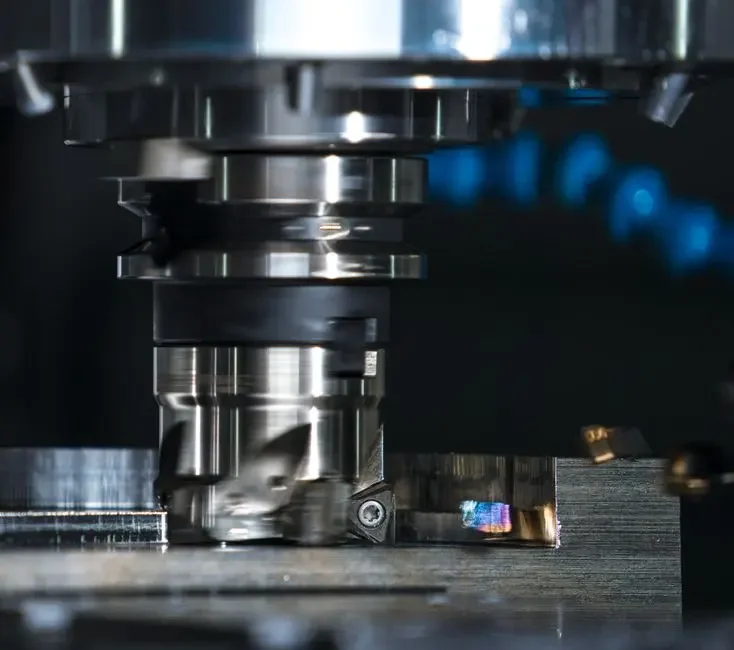
1. Understanding the Basics of Cylinder Heads
Before diving into machining techniques, it’s essential to grasp the basic components and functions of cylinder heads. Familiarizing yourself with the anatomy will set the groundwork for effective machining. A cylinder head, essentially, is the cover that sits atop the engine cylinders, producing a sealed environment for combustion while also supporting the valves and spark plugs. Understanding its layout can help you appreciate why precise machining is crucial.
Knowing the standard configurations, materials, and designs of cylinder heads gives you a head start. For example, aluminum heads are popular due to their lightweight yet durable properties, whereas cast iron heads offer strength. Each material has machining implications, affecting how you should approach the work. Grasping these fundamentals creates a strong foundation as you progress into more advanced techniques.
2. Choosing the Right Tools for the Job
The right tools can make all the difference in your machining process. A solid tool selection not only influences the quality of the end product but also impacts the efficiency of your work. Start by investing in high-quality tools that are specifically designed for cylinder head machining, such as milling machines, valve grinding tools, and precision measuring tools. Quality tools endure longer and provide better results.
Don’t forget about accessories and consumables. If you're using high-speed steel (HSS) or carbide tooling, ensure they are compatible with your chosen materials and machining methods. Additionally, gathering the right measuring instruments, like micrometers and dial indicators, will help you achieve the precision that is essential for successful cylinder head machining. Remember, the right combination of tools enhances both your experience and outcomes.
3. Preparing Your Workspace for Success
A clean and organized workspace helps minimize errors and makes the machining process smoother. Before you start machining, take the time to declutter your environment. A tidy station improves focus and efficiency and significantly reduces the risk of misplaced tools or components. Furthermore, having a dedicated area for your tools and materials can save you from unnecessary searching.
Consider the lighting in your workstation as well. Proper illumination is crucial when dealing with intricate details that can be easily missed in dull light. Whether you’re working on intricate designs or large-scale cylinder heads, good lighting makes a significant difference. If possible, invest in adjustable task lighting that can direct the beam exactly where you need it—this way, you can see every detail clearly.
4. Clearing Cylinder Heads of Old Materials
It's crucial to thoroughly clean cylinder heads before beginning machining. Residual gaskets, carbon deposits, and oil might not only affect the machining accuracy but also introduce contamination. This section will guide you through safe and effective cleaning methods to remove these old materials, ensuring a clean slate for your work.
Using a non-toxic solvent is ideal for the initial cleaning phase. It helps dissolve the old gaskets without harming the metal. After a good soak, scrubbing with a soft brush can work wonders. For stubborn deposits, an ultrasonic cleaner can be an invaluable tool. This method uses sound waves to agitate the cleaning solution, which breaks down contaminants more effectively. A thorough cleaning process ultimately contributes to higher precision in your machining efforts.
5. Selecting the Right Machining Techniques
Explore the various machining techniques used for cylinder heads and how each technique can impact performance. For instance, CNC machining provides unparalleled precision, allowing for consistent high-quality results. Understanding these techniques will enhance your results significantly—adapt your approach based on the specifics of each cylinder head.
In addition to CNC, traditional machining methods like milling and grinding can also be effective, depending on the materials and desired outcomes. Each technique has its advantages and nuances, so it's worth investing time to learn about them. Consider experimenting with different methods to find which suits your skill level and the specific needs of the project. This exploration can significantly improve the performance capabilities of each head.
6. Precision Measurement: An Essential Skill
Precision is key in machining. Without accurate measurements, even the best tools and techniques won't yield desirable results. Learn the best practices for measuring dimensions accurately to ensure that your cylinder heads meet the required specifications. Start by acquiring quality measuring tools and familiarize yourself with their proper usage.
A common mistake is to assume measurements are accurate without verification. Regularly calibrate your tools and use multiple measuring methods to cross-check critical dimensions. For example, using both a micrometer and a caliper can provide an extra layer of verification. Remember, it's better to take your time and ensure precision than to rush and end up with a mistake that could cost you extra time and resources.
7. Balancing Airflow for Optimal Performance
Optimizing airflow in cylinder heads improves engine efficiency. This involves understanding the airflow characteristics and how they interact with other engine components. This section discusses techniques for enhancing airflow while machining, which can lead to better performance. Proper porting and polishing can dramatically improve an engine's breathing capability.
Using specialized airflow benches can provide insights into how modifications to the cylinder heads can impact performance metrics such as horsepower and torque. Even small adjustments can yield significant outcomes, so don’t overlook the impact of meticulous machining techniques focused on airflow improvements.
8. Finishing Touches That Matter
Finishing techniques are vital for achieving the best results. Discover the finishing methods that can help improve the surface quality of your machined cylinder heads. Techniques like sanding, buffing, and applying coatings can elevate the final product quality significantly.
Moreover, consider using thermal barrier coatings or protective sealants to extend the life and durability of your cylinder heads. These finishing touches not only complete your machining project but also contribute to better overall engine performance. A well-finished cylinder head can minimize friction and heat build-up, leading to a more efficient engine run.
9. Testing and Quality Assurance
Once machining is complete, testing and quality assurance ensure that everything is up to standards. A detailed inspection helps to identify areas that may need tweaking or further refinement. Learn how to effectively test your work and catch any potential issues. Utilize various methods, such as pressure testing, to signify that your cylinder heads are leak-free and functioning effectively.
Documentation of your tests is equally essential. Keeping precise records helps you track improvements and identify patterns in your machining process. This practice not only provides insight for future projects but also serves as a reference in case you encounter problems down the line.
10. Keeping Up with Technological Advances
The machining industry is constantly evolving. Stay updated with the latest technologies and techniques to keep your skills sharp and relevant in the field of cylinder head machining. Regularly attend workshops, webinars, and industry conferences to expand your knowledge and meet fellow machining enthusiasts.
Social media platforms and online communities are excellent resources for sharing tips and gaining inspiration. Networking with other machinists can expose you to different perspectives and innovative ideas. Keeping an open mind and embracing new advancements will not only make you a better technician but will also help you stay competitive in the field of cylinder head machining.