Maintaining your engine block is essential for keeping your vehicle running smoothly. Whether you're a seasoned car enthusiast or a new owner, understanding the basics of engine block maintenance can enhance performance and extend the life of your engine. In this blog, we'll explore key aspects of engine block care to ensure optimal performance.
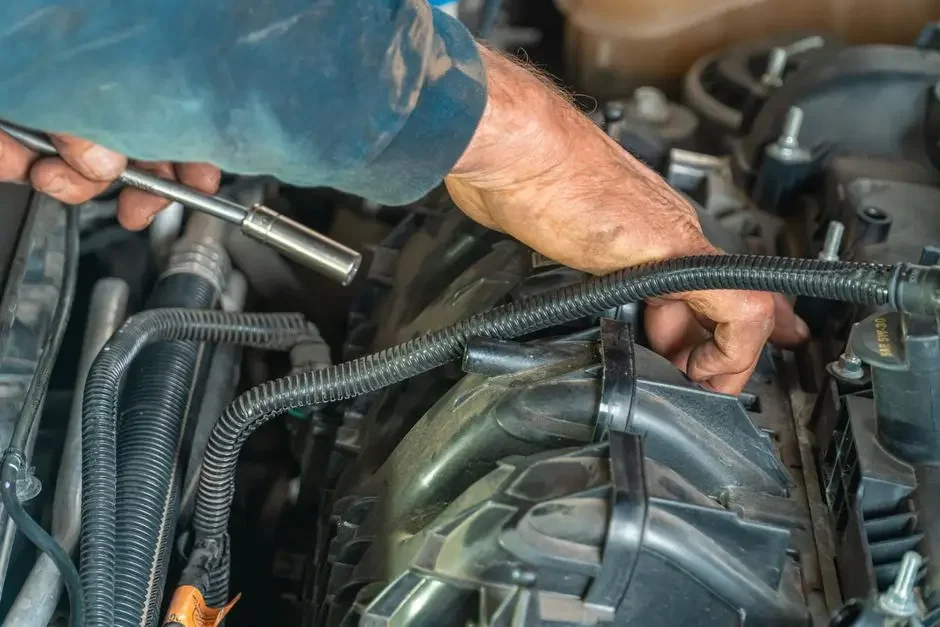
What is an Engine Block and Why is it Important?
The engine block serves as the core of your vehicle's engine, housing critical components such as cylinders and pistons. Understanding its role helps underline the importance of regular maintenance to prevent costly repairs and ensure peak performance.
Think of the engine block as the foundation of a house; without it, everything else would crumble. The engine block supports other integral parts, ensuring that energy produced during combustion is transformed into motion. It's not just a piece of metal; it's the heartbeat of your engine, influencing everything from fuel efficiency to overall power output.
With so much riding on your engine block, awareness and knowledge are key. Keeping it clean and proper maintenance will not only enhance performance but also help extend its lifespan. Regular interventions can negate the risk of severe damage, which inevitably leads to hefty repair bills later on.
Signs Your Engine Block Needs Attention
Recognizing signs of wear or damage is crucial. Look for oil leaks, overheating, unusual noises, or changes in performance. These indicators can help you address problems before they escalate.
Additionally, keep an ear out for any strange rattling or thumping sounds, as these might indicate that components within the engine block are loosening or malfunctioning. If you notice your engine running hotter than usual, it’s essential to act quickly—excess heat can warp the engine block itself.
Another often-overlooked sign is fluctuating oil pressure. If you’re noticing variations in the oil pressure gauge, this could point to internal leaks. Don't ignore these signs; they can serve as early warning signals. Taking immediate action can save you from more significant headaches down the line.
Basic Maintenance Tips for Your Engine Block
Routine checks are essential. Regularly inspect your engine block for any leaks, ensure proper lubrication, and replace fluids as recommended. These simple actions can significantly enhance performance.
One crucial aspect of maintaining your engine block is oil changes. Regularly replacing your engine oil helps to prevent sludge buildup, which can impair engine performance. Always use the oil type recommended by the manufacturer and keep an eye on the oil level between changes.
Moreover, cooling systems require attention too. A well-functioning cooling system regulates the temperature of your engine block, especially during long drives or in hot weather. Ensure your coolant levels are adequate and the system is free from leaks to maintain optimal performance.
Finally, consider adding engine block additives periodically. These additives can help prevent corrosion and enhance lubrication, which is critical for maintaining the health of your engine components.
Common Myths About Engine Block Maintenance
There are many misconceptions surrounding engine care. Understanding what is fact versus fiction can help you avoid mistakes that might harm your engine block.
One prevalent myth is that engine flushes are always necessary. While they can be beneficial in some cases, routine flushing isn't essential for every vehicle. In fact, unnecessary flushing can dislodge debris that can clog oil passages.
Another myth is that all engine oils are the same. In reality, using the incorrect oil can lead to severe engine damage. Always refer to your owner’s manual for specific oil requirements tailored for your engine block.
Lastly, many believe that once an engine block shows wear, there’s not much that can be done. However, timely interventions can often salvage an aging engine, prolonging its life significantly with the right maintenance practices.
When to Consult a Professional Mechanic
While some maintenance tasks can be done at home, others require professional expertise. Knowing when to seek help ensures that your engine block remains in top condition.
If you're experiencing persistent issues, such as repeated overheating or odd engine noises that don’t dissipate with basic maintenance, it's crucial to consult a mechanic. They have the expertise to delve deeper into potential underlying issues that may not be easy to detect.
Additionally, if your vehicle's oil change indicators flash more frequently despite regular maintenance, don't hesitate to seek professional advice. Sometimes, the need for advanced diagnostics becomes apparent after multiple warning signs.
Lastly, never underestimate the value of a second opinion. If you're uncertain about the state of your engine block or proposed repairs, getting advice from another qualified professional can offer peace of mind and help you make informed decisions.
Final Thoughts on Engine Block Care
Regular engine block maintenance not only boosts your vehicle's performance but also saves you money on repairs in the long run. By understanding and implementing these simple maintenance strategies, you can keep your engine running efficiently for years to come. Remember, a well-maintained engine block is the heart of your vehicle's performance.