
Crankshaft grinding is a vital process in ensuring your vehicle's engine runs smoothly and efficiently. This blog will explore the significance of this procedure and why it should not be overlooked during automotive engine repair.
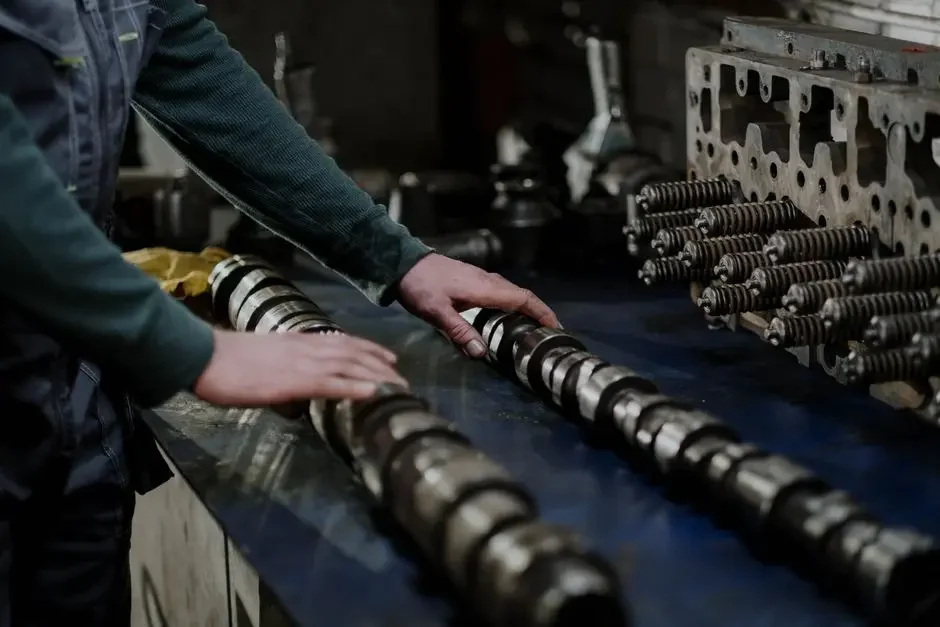
What is Crankshaft Grinding?
Crankshaft grinding is a machining process aimed at restoring the crankshaft's dimensions by removing any imperfections or wear that can affect the engine's performance.
In essence, this process ensures that the crankshaft is perfectly balanced and aligned, which is critical for optimal engine function. A well-ground crankshaft reduces stress on other engine components and contributes to smoother operation.
It's fascinating to note that during the grinding, technicians employ specialized equipment to measure the crankshaft's diameter meticulously. This precision is essential, as even the slightest deviation can lead to significant engine problems.
Why is Crankshaft Grinding Necessary?
Over time, crankshafts can develop wear and tear due to exposure to extreme conditions, making grinding essential to prevent engine failure and ensure proper operation.
As vehicles age, heat generated from friction leads to microscopic fractures and an overall reduction in mass. Without addressing these imperfections through crankshaft grinding, engines risk severe failure, leaving drivers stranded.
Consider this: a neglected crankshaft can contribute to vibrations that not only affect performance but can also lead to more severe issues like bearing failure. Regular grinding is, therefore, not just a recommendation but a necessity for any vehicle that aims to stay reliable.
The Impact of Poorly Maintained Crankshafts
Ignoring crankshaft issues can lead to severe problems such as increased engine vibrations, oil leaks, and ultimately, catastrophic engine damage.
Imagine your engine struggling to run smoothly because the crankshaft is out of alignment. Not only does this compromise performance, but it can also drain your wallet with costly repairs. Addressing crankshaft issues promptly is therefore essential.
Long-term neglect can result in even more dire consequences, including complete engine replacement. It's like ignoring a small leak in a dam; eventually, it can undermine the entire structure. Maintaining your crankshaft through grinding is a proactive step toward preventing future headaches.
How is Crankshaft Grinding Done?
The grinding process involves several steps, including measuring the crankshaft, setting up the grinder, and carefully removing material to achieve the desired specifications.
The technician starts by inspecting the crankshaft for signs of wear, and then precise measurements are taken to assess the extent of the damage. This foundational step ensures that subsequent grinding is both effective and safe.
Once the setup is complete, the actual grinding begins, which requires expert skill. The machinery used is designed to remove only the troubled sections while preserving the integrity of the crankshaft. This delicate process demonstrates the balance between technology and craftsmanship.
When Should You Consider Crankshaft Grinding?
It's recommended to consider crankshaft grinding during major repairs, when experiencing engine issues, or during routine maintenance checks.
If you notice unusual vibrations or hear knocking sounds from your engine, it could be time to schedule a grinding session. These early warning signs are your vehicle's way of telling you to pay attention to the crankshaft.
Additionally, if you’re involved in any significant overhaul, it’s wise to include crankshaft grinding in your list of priorities. This not only ensures immediate improvement in operation but also extends the engine’s service life.
In Summary
Understanding the importance of crankshaft grinding can help you make informed decisions when it comes to your vehicle's engine maintenance. Regular attention to this crucial component can lead to enhanced performance and longevity.