
Is Crankshaft Welding a Cost-Effective Solution for Engine Repairs?
Crankshaft welding is a popular technique in automotive repair, especially for those looking to save costs. But is it really a cost-effective solution for engine repairs? In this blog, we’ll explore the ins and outs of crankshaft welding, helping you make an informed decision.
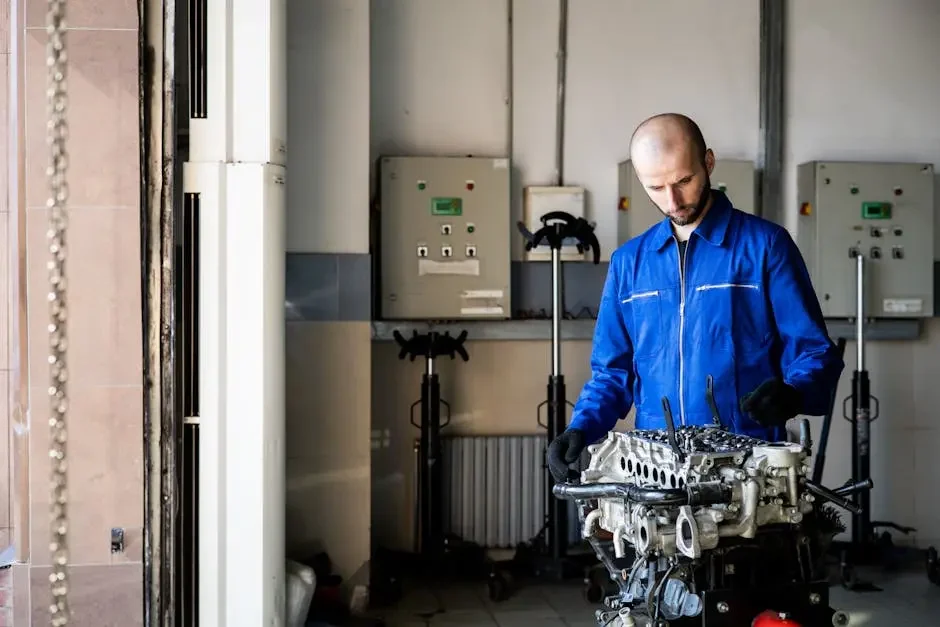
Understanding Crankshaft Welding
Crankshaft welding is a specialized process where damaged crankshafts are repaired by adding material to the worn or broken areas. This process not only restores the crankshaft's functionality but can also extend its lifespan.
The technique involves heating the damaged section of the crankshaft and then applying a filler material that bonds to the original metal. This bond is crucial as it strengthens the crankshaft, allowing it to withstand the stresses it encounters during engine operation.
It's fascinating how this method has evolved; what was once a less favored choice is now becoming the go-to solution for many mechanics. By understanding this process, car owners can make informed decisions when faced with crankshaft issues.
So, what makes crankshaft welding particularly appealing? Well, for starters, it requires less material than a full replacement. When done correctly, it can resolve problems efficiently and affordably.
Common Crankshaft Issues
Crankshafts can face various issues over time, with wear and tear being among the most common problems. High mileage or poor maintenance often leads to these problems, making repairs necessary.
Another common issue is distorted crankshafts, often caused by overheating. This can occur due to poor lubrication or engine failure, leading to a warped or bent shaft that ruins the engine's balance.
Crankshaft welding is particularly useful in addressing these specific issues. By repairing cracks and restoring the original shape, the engine can function smoothly without the need for a costly replacement.
It's essential to recognize these issues early and consult a professional. Ignoring them can lead to more severe problems down the line, increasing repair costs and engine complications.
Cost Comparison: Crankshaft Welding vs. Replacement
When considering engine repairs, one cannot overlook the financial aspects. Crankshaft welding usually costs significantly less than a complete crankshaft replacement, making it a more appealing option for budget-conscious vehicle owners.
For instance, the overall cost of crankshaft replacement can easily escalate due to the need for additional parts and labor. In contrast, welding primarily focuses on the damaged section, requiring fewer resources.
Furthermore, the time taken for welding is generally shorter than a complete replacement, which means less downtime for your vehicle. Owners appreciate this benefit, especially when needing their cars back on the road quickly.
Comparatively, while the upfront costs for welding may seem higher initially, the long-term savings and vehicle reliability often tip the scales in favor of welding. It’s important to weigh these options carefully.
The Importance of Professional Execution
While crankshaft welding can be a cost-effective solution, the success of this repair relies heavily on the skill and expertise of the technician. An inexperienced technician can cause more harm than good.
A professional with experience in crankshaft welding knows how to assess damage accurately and decide on the best course of action. This includes selecting the right materials to ensure a strong and durable bond.
Additionally, a skilled technician can guarantee that the welding process is executed correctly, minimizing the risk of future complications. This is vital because errors during repairs can lead to further damage and higher repair costs over time.
In the end, investing in a qualified professional not only ensures better results but stability and peace of mind for vehicle owners.
Long-term Benefits of Crankshaft Welding
Opting for crankshaft welding not only provides immediate repairs but can also lead to long-term benefits. When done correctly, it contributes to the overall durability of the crankshaft.
Another advantage is improved engine performance. A properly welded crankshaft will operate smoothly, reducing friction and consequently enhancing fuel efficiency. This means that vehicle owners can enjoy not just immediate savings but also lower gas bills over time.
Furthermore, crankshaft welding can extend the life of your engine. Rather than replacing the entire crankshaft, which could lead to more replacement parts needing attention later, repairs can keep your vehicle running efficiently for years to come.
In essence, while the initial cost may seem like a worthwhile investment, the long-term savings and performance can be substantial. Crankshaft welding emerges as a smart solution for many car owners looking to maintain their vehicles.
Wrapping It Up
In conclusion, crankshaft welding can be a viable and cost-effective solution for engine repairs when done correctly. It's essential to consider various factors such as the extent of damage, the expertise of the technician, and the long-term benefits for your vehicle.