
Is Crankshaft Welding a Permanent Solution for Engine Issues?
Crankshaft welding is often considered when dealing with serious engine problems. But is it really a permanent fix? In this blog, we will explore the process of crankshaft welding, its effectiveness, and when you should consider it as an option.
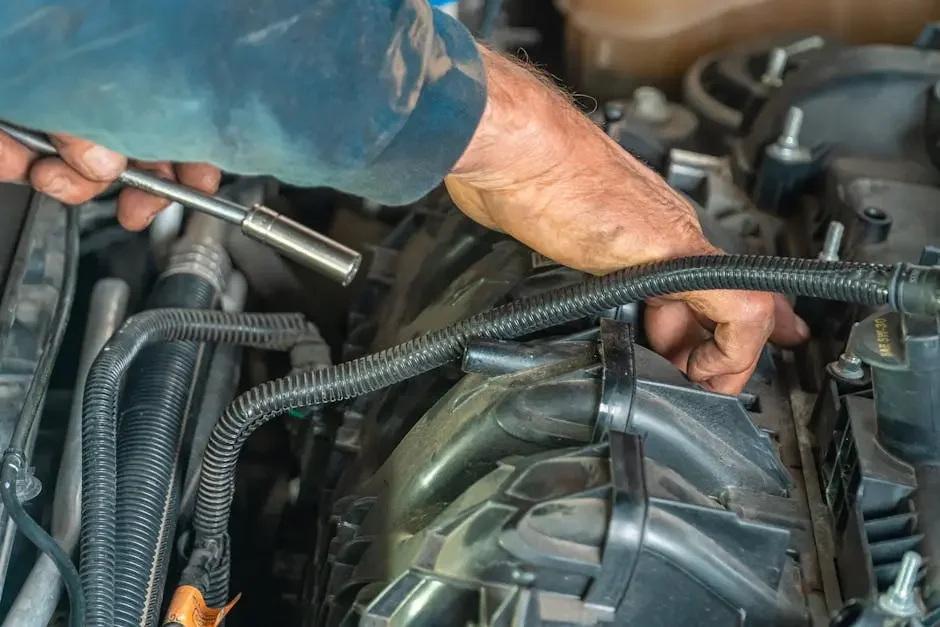
Understanding Crankshaft Damage
Before diving into the welding process, it's crucial to understand the types of damage that can affect a crankshaft and how they impact engine performance.
Crankshafts can suffer from various types of damage, including cracks, bends, and wear due to high mileage or improper lubrication. Each of these issues can lead to serious engine malfunction if not addressed in time.
For instance, a crack can significantly weaken the crankshaft, potentially leading to a catastrophic engine failure. It's important to be aware of these issues early on, allowing for timely interventions.
Identifying these problems typically involves a thorough inspection. Mechanics often employ both visual assessments and more sophisticated techniques like magnetic particle inspection to detect hidden flaws.
The Crankshaft Welding Process
This section outlines how crankshaft welding is performed, including the tools and techniques used to effectively repair the damaged areas.
The welding process begins with a meticulous cleaning of the crankshaft to remove any grease or debris. Once it’s pristine, the damaged areas are prepared for welding, which may involve grinding to ensure a solid bond.
Next, skilled technicians use specialized welding equipment to carefully add material to the damaged sections. This is a delicate process that requires both precision and experience to prevent further complications.
After welding, the crankshaft is thoroughly examined again. It often undergoes machining to restore its original shape and ensure smooth operation. This precision is crucial, as even minor deviations can lead to future issues.
Advantages of Crankshaft Welding
Explore the benefits of choosing crankshaft welding over other repair methods and why it may be a suitable choice for some engine problems.
One significant advantage of crankshaft welding is its cost-effectiveness. Instead of replacing the entire crankshaft, which can be a hefty expense, welding can fix the problem at a fraction of the cost.
Moreover, welding provides a durable solution that can restore the functionality of a damaged crankshaft. In many cases, properly welded crankshafts have been known to last for years, making it a popular choice among mechanics.
Additionally, welding gives the opportunity to make necessary repairs without the burden of lengthy replacement times. This can minimize downtime, getting your vehicle back on the road quicker than many other repair methods.
Limitations and Risks
It's important to recognize the potential risks and limitations associated with crankshaft welding, which could affect its longevity and effectiveness.
For one, welding doesn't guarantee that the crankshaft is free from underlying issues. If the damage is extensive or if there are hidden cracks, welding may not hold up under the stress of normal engine operation.
Additionally, the welding process must be executed with precision. Poor quality welds can lead to failures, and that’s why it’s vital to entrust this job to experienced professionals.
It's also worth noting that even a successfully welded crankshaft may still have reduced performance in comparison to a new unit. Therefore, it’s essential to conduct a thorough evaluation before deciding on this repair method.
When to Consider Alternatives
Here, we discuss scenarios in which crankshaft welding might not be the best option, and other repair or replacement strategies you might consider.
If the damage to your crankshaft is too severe or if wear and tear have compromised its integrity beyond repair, it may be wise to consider a complete replacement instead of welding.
Additionally, in cases where the vehicle is older or of low value, investing in a new crankshaft might offer better long-term benefits than repairing an existing one.
Consultation with a qualified mechanic is recommended to explore all options. This ensures that you are making the best decision for your car's health and longevity.
Final Thoughts on Crankshaft Welding
While crankshaft welding can offer a durable solution for certain engine issues, it's essential to weigh the options and consult with a professional to determine the best course of action for your vehicle.