
What Is Crankshaft Grinding and Why Is It Important for My Engine?
Crankshaft grinding is a vital process in maintaining the health and performance of your engine. It helps ensure that the crankshaft, which plays a key role in the engine's operation, functions smoothly. In this blog, we'll break down what crankshaft grinding is, why it's essential, and what you need to know to keep your engine running like a top.
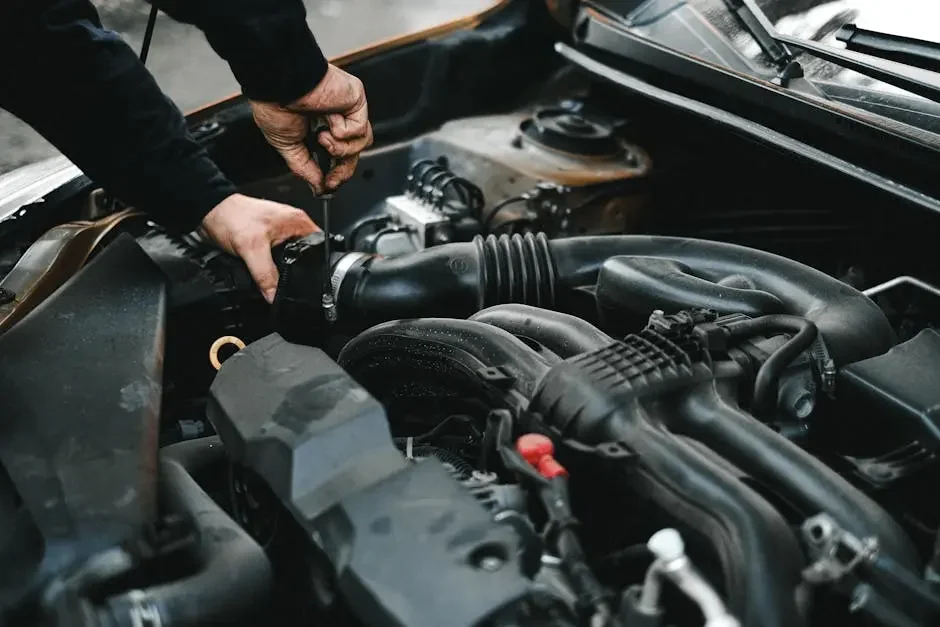
What Is a Crankshaft?
The crankshaft is a critical component in your engine that converts the linear motion of the pistons into rotational motion, powering the vehicle.
Without a properly functioning crankshaft, your engine would struggle to operate efficiently. It's essentially the heart of your engine, making its health crucial for overall performance.
The crankshaft is made from high-strength materials, designed to endure the pressures of engine operation. Its shape allows it to balance the engine's mechanical forces, ensuring a smooth ride.
What Is Crankshaft Grinding?
Crankshaft grinding is the process of removing material from the crankshaft's surface to restore its shape and smoothness for efficient operation.
During this process, specialized machinery carefully reshapes the crankshaft to the manufacturer's specifications. It's not just about making it look good; it's about functionality.
This grinding process involves measuring and assessing the crankshaft beforehand, ensuring that any grinding aligns with the necessary precision to maintain engine balance.
Why Is Crankshaft Grinding Important?
Grinding ensures the crankshaft works properly, prevents vibrations, and prolongs the life of your engine by preventing further damage.
If your crankshaft isn't smooth, it can cause excessive wear on the engine's bearings, leading to serious issues down the line. Crankshaft grinding combats this problem effectively.
Moreover, it helps maintain optimal fuel efficiency. A well-ground crankshaft will ensure that the engine operates efficiently, translating to better mileage for your vehicle.
Signs Your Crankshaft Needs Grinding
Look for symptoms like unusual noises, vibrations, or a decline in engine performance, which might indicate a need for crankshaft grinding.
If you start to notice a knocking sound or if your engine feels unsteady while running, these could be clear signs that the crankshaft is not functioning as it should.
In addition, irregular oil pressure readings can also be a red flag. When the crankshaft wears down, it can lead to changes in oil flow, which is crucial for engine health.
The Crankshaft Grinding Process Explained
This section provides a step-by-step overview of the crankshaft grinding process, detailing each stage to help you understand what happens during the repair.
First, a thorough inspection is performed. This includes measuring the crankshaft's current dimensions and evaluating any wear or damage that may be present.
Next, the grinding machine is set up, and the crankshaft is securely positioned. It's essential to ensure precise alignment to avoid any further issues when the grinding begins.
As the grinding takes place, professionals monitor the progress closely. This level of attention helps maintain the exact specifications, ensuring that the crankshaft will perform optimally once reinstalled.
Finally, once the grinding is complete, everything is meticulously cleaned and re-inspected before the crankshaft is returned to your engine. The goal is to leave no room for errors that could lead to future problems.
Choosing the Right Shop for Crankshaft Grinding
Selecting a reputable shop is crucial. Look for experienced professionals with positive reviews and proper certifications.
It's wise to seek recommendations from friends or family who have had similar work done. Personal experiences can often lead you to trusted mechanics in your area.
Additionally, ensure the shop uses up-to-date technology for crankshaft grinding. Newer machinery often produces better results and offers more precise measurements.
In Summary: The Importance of Crankshaft Grinding
Understanding crankshaft grinding helps you appreciate the importance of engine maintenance. Regular checks and necessary grinding can prevent costly repairs and enhance the longevity of your vehicle.