
Exploring the Heart of a Machine Shop: Techniques and Tools
Welcome to the fascinating world of machine shops! It's where innovation meets craftsmanship, and today, we're diving into the essential techniques and tools that drive this industry forward. Whether you're a seasoned machinist or simply curious about the process, there's something here for everyone. Let's roll up our sleeves and start exploring!
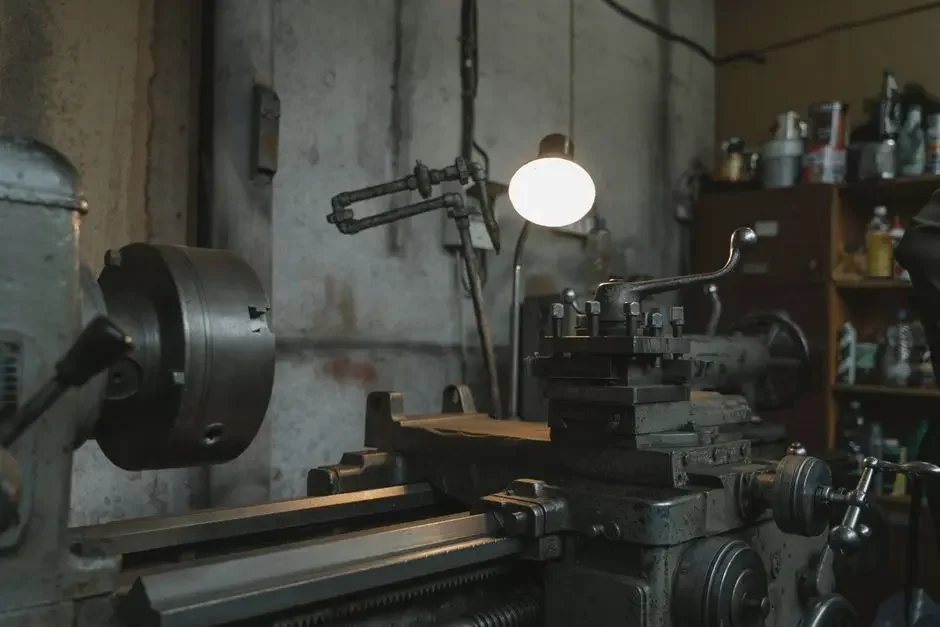
What is a Machine Shop?
Let's start with the basics: what exactly is a machine shop? At its core, a machine shop is a facility where various machining processes occur. Here, skilled workers use a combination of tools and machines to shape and fabricate parts from metal and other materials. The work done here forms the backbone of countless industries.
Machine shops may vary in size and specialization, but they all share a common goal: to transform raw materials into usable components with precision. Think about it—everything from the car you drive to the appliances in your kitchen owe their existence to these dedicated spaces and the artisans who operate within them.
Moreover, understanding what a machine shop entails helps demystify the process for those new to the concept. It’s not just about heavy machinery and metal shavings; it’s a blend of art and science. Each machinist is a craftsman, wielding their tools with care and expertise, which enables them to create intricate designs and precise parts.
Key Techniques Used in Machining
Diving deeper into the heart of the machine shop, we uncover a variety of techniques employed by machinists. From turning and milling to grinding and drilling, each technique has its unique purpose and process. Understanding these techniques helps demystify the craftsmanship behind precision parts.
Turning, for instance, is one of the most foundational techniques used when working with cylindrical parts. By rotating the material against a cutting tool, machinists can smoothly shape the workpiece. This process is essential in creating everything from axles to bolts, emphasizing how crucial it is to achieve that perfect finish every time.
Milling is another technique that plays a significant role. Employing rotary cutters, milling machines can create complex shapes and surfaces. This method not only increases versatility in design but also enhances efficiency. When combining different machining techniques, machinists can achieve remarkable results that showcase their skill.
Of course, no discussion of machining techniques would be complete without mentioning grinding. This process provides the finishing touches to parts that require a high level of precision. The ability to fine-tune dimensions and smooth surfaces is what elevates ordinary pieces into exceptional components.
Essential Tools of the Trade
No machine shop is complete without its arsenal of tools. Machines like lathes, mills, and CNC machines are just the tip of the iceberg. In this section, we'll explore the purpose of each tool and why they are critical to producing high-quality work. You'll be amazed at the sophistication and technology involved!
Lathes are undoubtedly one of the cornerstones of machining. Their primary function is to rotate a workpiece while a cutting tool shapes it into the desired form. Whether it’s creating intricate patterns or simple cylindrical shapes, lathes allow machinists to exercise a great deal of control and creativity.
Then we have milling machines, which take on a slightly different role. By moving the workpiece against rotating cutting tools, milling machines are capable of producing complex geometries. These machines are truly the workhorses in any shop, allowing flexibility in design while ensuring accuracy.
Computer Numerical Control (CNC) machines take things a step further. Utilizing advanced technology, CNC machines automate the machining process, providing unprecedented precision and efficiency. They can replicate intricate designs with ease, making them indispensable in modern machine shops.
It's essential to remember that while technology and machinery are invaluable, the skills and intuition of a machinist can never be underestimated. Tools may change, but the craftsmanship that brings the shop to life is what truly defines it.
Safety First: Best Practices in the Machine Shop
Now that we've highlighted some techniques and tools, it's crucial to discuss safety. Operating machinery comes with risks, and understanding best practices is key to ensuring a safe working environment. From wearing protective gear to adhering to operational guidelines, keeping safety at the forefront is essential.
The foundation of machine shop safety lies in the proper use of personal protective equipment (PPE). This includes safety glasses, hearing protection, and gloves. Their role in preventing injuries cannot be overstated. Just as importantly, making sure that workspace is organized and free of hazards contributes to an overall safer environment.
Training is also a fundamental aspect of safety in machine shops. Regularly scheduled training sessions help ensure that everyone knows how to operate machinery safely and understands specific protocols. Knowledge is power, and familiarity with equipment creates an environment of confidence and competence.
Lastly, it's vital to foster a culture of communication in a machine shop. This can’t be stressed enough. Workers should feel comfortable expressing any concerns or suggestions regarding safety. When everyone looks out for one another, the shop becomes a safer place for all.
The Future of Machine Shops: Trends and Innovations
As technology continues to evolve, so too do machine shops. Innovations in automation, robotics, and 3D printing are revolutionizing the field, enabling higher efficiency and precision. Let's explore these exciting trends and how they are shaping the future of machining.
Take, for example, the rise of 3D printing. This groundbreaking technology is changing the way we perceive manufacturing capabilities. No longer constrained by traditional machining boundaries, 3D printing allows for creative designs and rapid prototyping, paving the way for more innovative solutions.
Additionally, the integration of robotics is streamlining processes within the shop. Robots are taking on repetitive tasks that are not only mundane but also potentially hazardous for human workers. By allowing machines to handle these duties, workers are free to focus on more complex and creatively demanding projects.
Meanwhile, advancements in software are maximizing the efficiencies of CNC machines. More sophisticated programming allows for precise calculations and optimizations that lead to material savings and time reductions in production. This intersection of technology and creativity is where the future of machine shops truly thrives.
Ultimately, as these trends continue to unfold, they signify an exciting time for the machining industry. Embracing innovation and technology will empower machine shops to maintain their essential role in manufacturing while also pushing the envelope of creativity and efficiency.
Wrapping Up Our Exploration
Understanding the techniques and tools of a machine shop not only enhances our appreciation for the craftsmanship involved but also highlights the important role these shops play in various industries. The blend of artistry and precision in machine work is essential for creating the products we often take for granted. We hope this journey provided insightful glimpses into this enthralling field!