
How to Ensure Peak Performance with Your Next Engine Rebuild
Rebuilding an engine can be an intimidating task, but with the right preparation and knowledge, you can ensure peak performance. In this guide, we'll walk through the essential steps to make your engine rebuild a success, covering everything from planning to execution to maintenance.
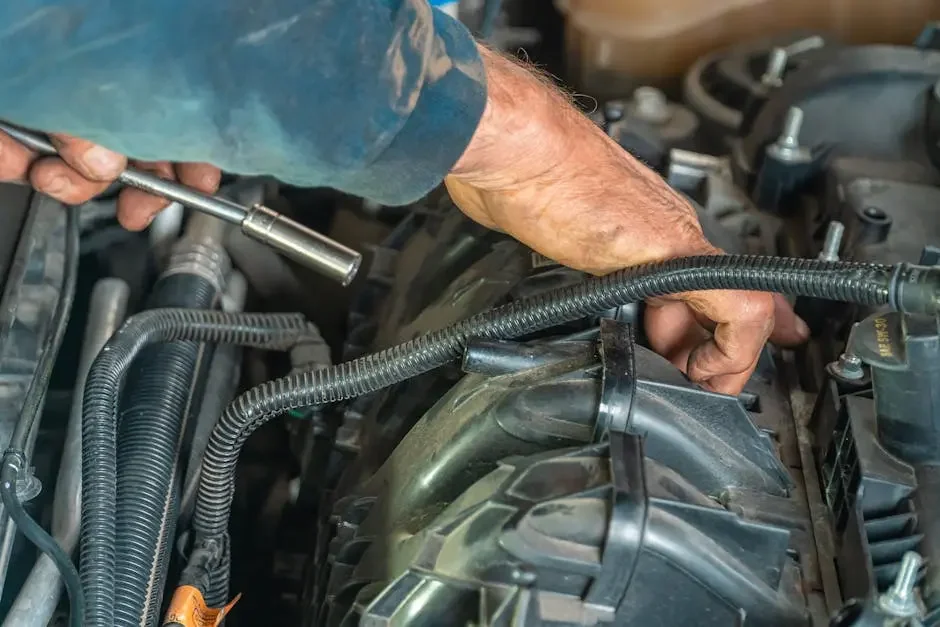
Understanding the Need for an Engine Rebuild
Knowing when it's time to rebuild your engine is crucial. If you've noticed a drop in power, excessive oil consumption, or strange noises, these can be signs that your engine is in distress. Rebuilding your engine not only addresses these issues but also restores its performance capabilities.
The benefits of an engine rebuild extend beyond just corrections. A well-executed rebuild can breathe new life into your vehicle, improving fuel efficiency and reducing emissions. With modern advancements in technology and parts, you can achieve performance levels that rival or even exceed those of a brand-new engine.
Additionally, consider how rebuilding can be a more cost-effective solution in the long-term compared to purchasing a new or used engine. This approach allows you to invest in high-quality components that provide better durability and reliability, tailored specifically to your driving needs.
Preparing for Your Engine Rebuild
Preparation is key to a successful engine rebuild. Start by gathering the right tools, such as a torque wrench, engine hoist, and a comprehensive socket set. Having these tools on hand will make the rebuild process much smoother and more efficient.
Creating a proper workspace is equally important. Choose a well-ventilated area with plenty of space to move around and organize your parts. Keeping everything within reach will save you time and reduce frustration during the rebuild process.
Sourcing quality parts is another crucial step in preparation. It's tempting to go for the cheapest options, but remember that investing in quality components will pay off in the long run. Look for parts that meet or exceed OEM specifications, and don't hesitate to consult reviews or seek recommendations.
Finally, consider documenting the process ahead of time. Creating a checklist can help you stay on track and ensure you don’t overlook any important steps. Sketch out the engine layout or take photos of each step during disassembly; this will guide you during reassembly.
The Step-by-Step Rebuilding Process
We'll break down the complex rebuilding process into manageable steps, ensuring you understand each phase from disassembly to reassembly. The first step is careful disassembly. This requires patience; labeling bolts and storing them appropriately helps to avoid confusion later on.
Next, inspect all components thoroughly. Look for signs of wear or damage that may necessitate replacement. Pay close attention to the pistons, rings, and cylinder walls. Document any findings as they will affect your investment in new parts and determine if further machining is required.
Once you have gathered all necessary parts and ensured everything is in good shape, it's time to start reassembling your engine. Refer to your documentation often to ensure a smooth transition. Proper torque specs and sequencing are crucial here; it's the foundation upon which your engine's reliability will rest.
Lastly, once everything is back in place, do a thorough final inspection. Check to ensure that everything is secure and properly aligned. This attention to detail during the initial stages will pay dividends in performance down the road.
Common Mistakes to Avoid
Engine rebuilding has its pitfalls. One common mistake is rushing the disassembly and reassembly processes. Each step deserves your full attention; overlooking a small detail can lead to significant issues later.
Another error is not using the correct tools or parts. Improvising may work for a temporary fix, but it’s a risky strategy when it comes to an engine rebuild. Always use the right tool for the job and make sure parts are compatible with your specific engine model.
Additionally, failing to follow the manufacturer's specifications can lead to serious problems. Be meticulous about torque specifications and part clearances. When in doubt, refer back to the service manual or online expert forums; they can offer invaluable insight.
Finally, many novices forget to keep a clean work environment. Contaminants can enter the engine during the rebuilding process, potentially leading to catastrophic failures down the line. Wipe down surfaces and keep your workspace organized to prevent foreign materials from affecting your work.
Testing and Tuning Your Rebuilt Engine
Once your engine is rebuilt, testing and tuning are essential to ensure everything runs perfectly. Start with a bench test before installation, if possible. This allows you to identify any potential issues early, making corrections easier.
After reinstallation, take some time to conduct break-in procedures. Monitor vital signs like oil pressure and temperature during initial runs. It's normal for the engine to blow some smoke initially; this will decrease over time as everything settles.
Tune your engine carefully. Adjustments to the timing and air-fuel mixture can significantly impact performance. Use a dynamometer if available; it provides accurate data to optimize your engine's settings for maximum performance.
Finally, document everything. Note how the engine responds to adjustments and keep records of any issues encountered. This information will serve as a valuable reference for future maintenance and modifications.
Maintenance Tips for Longevity
To keep your engine performing at its best, regular maintenance is key. Start by adhering to a routine oil change schedule; this is one of the easiest and most cost-effective ways to ensure longevity. Clean oil reduces wear on engine parts and maintains lubrication.
Additionally, don't neglect coolant and other fluids. Keeping your engine at optimal operating temperatures helps avoid overheating, a significant factor in engine wear. Consider flushing your cooling system periodically to remove contaminants.
It's also essential to keep an eye on your air filter, fuel filter, and spark plugs. Dirty filters can choke your engine, adversely affecting performance. Likewise, worn plugs can lead to misfires and poor fuel efficiency. Establish a maintenance checklist to monitor these components regularly.
Lastly, make time for periodic inspections. Check all belts and hoses for wear, and listen for unusual noises during operation. Early detection of potential problems can save time and money, ensuring your engine remains in peak condition for years to come.
Final Thoughts on Your Engine Rebuild Journey
By following these steps and prioritizing quality parts and practices, you can ensure your engine rebuild not only meets but exceeds your expectations. With a well-rebuilt engine, you'll enjoy improved performance and longevity for your vehicle.