
7 Engine Block Repair Tips Every Vehicle Owner Should Know
Engine block issues can be daunting for any vehicle owner. Understanding how to address these problems effectively can save you time, money, and stress. In this blog, we’ll cover essential engine block repair tips that every car owner should be aware of, making sure you're well-equipped to handle minor repairs and maintenance.
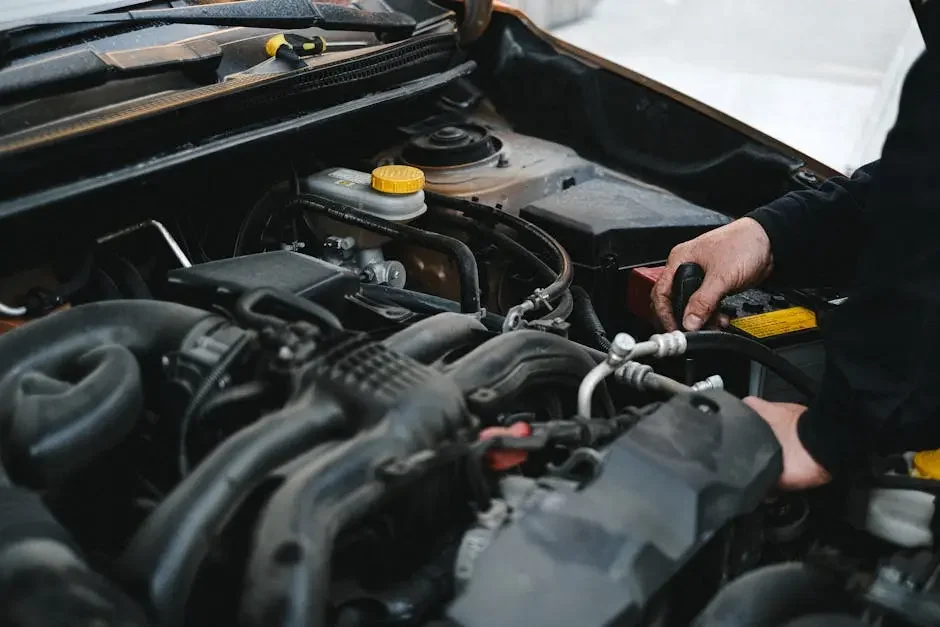
1. Understanding Your Engine Block
>Get to know the anatomy of your engine block. This foundational knowledge will empower you in your repair journey.
When you dive deeper, you’ll find that the engine block serves as the heart of your vehicle, housing essential components like the cylinders and crankshaft. Having a clear understanding of your engine block can also help you identify potential problems before they escalate.
Paying attention to how these components work together will give you insight into the overall health of your engine. It’s not just about knowing parts; it’s about grasping the dynamics between them.
2. Identifying Common Engine Block Problems
>Learn about the typical issues that can plague an engine block, from cracks to leaks, and what to look for.
For instance, a crack can result from overheating or stress, leading to coolant leakage. Identifying early signs, such as unusual noises or performance lags, can be crucial for preventing more severe damage. Regular inspections are your best line of defense.
Another common problem is oil leakage, which could lead to oil starvation if not addressed. Paying close attention to any stains under the vehicle can alert you to these issues.
3. Regular Maintenance Checks
>Discover the routine checks that can help you spot problems early and keep your engine running smoothly.
Regular checks are vital for maintaining engine health; they can prevent small problems from becoming major headaches. Simple tasks like checking oil levels frequently will help you gauge your engine's performance.
Looking at coolant levels and inspecting for leaks should also be part of your maintenance regimen. A proactive approach will not only save costs in the long run but also extend the lifespan of your engine block.
4. DIY Repair Techniques
>Explore simple and effective do-it-yourself repair methods that can save you money on minor fixes.
Simple epoxy can be used effectively to seal small cracks. However, always ensure you're following the manufacturer's recommendations for the best results. If you tackle these tasks yourself, keep a toolkit handy with essential tools—it can pay off significantly.
Also, consider using engine block sealers specifically designed for small leaks. These products can provide a temporary fix until you can afford a more permanent solution. Just remember: DIY is great, but know your limits.
5. When to Seek Professional Help
>Understand the signs that indicate it's time to call in a professional rather than tackling a repair yourself.
If you notice extensive leaks, persistent overheating, or grinding noises, it may be time to seek expert help. Ignoring these can lead to catastrophic failures, so don't hesitate to involve a professional mechanic.
6. The Importance of Quality Replacement Parts
>Learn why using high-quality replacement parts is crucial for the longevity of your engine block.
Choosing quality over cost can make a world of difference, as inferior parts might save you money upfront but can lead to greater expenses down the line. Understand that every aspect of your engine functions in harmony, so compromising on one part can affect the entire system.
When sourcing parts, do your research. Always prefer original equipment manufacturer (OEM) parts or trusted aftermarket alternatives to ensure reliability and compatibility with your engine.
7. Maintaining Your Engine Block After Repairs
>Find out how to care for your engine block post-repair to prevent future issues and enhance performance.
After repairs, the work doesn't stop. Regularly schedule maintenance after significant engine repairs to keep things in check. Establishing a habit of checking fluids and components can vastly improve function and longevity.
Additionally, consider keeping a log of repairs and maintenance tasks. This will help you stay organized and be aware of when future services are due. A little diligence goes a long way!