
15 Practical Tips for Effective Pressure Testing in Engines
Pressure testing is a crucial step in ensuring the efficiency and reliability of engine components. Whether you're a seasoned mechanic or a DIY enthusiast, mastering the art of pressure testing can save you time and money, and help you identify potential issues before they become major problems. Here are fifteen practical tips to enhance your pressure testing skills for engines.
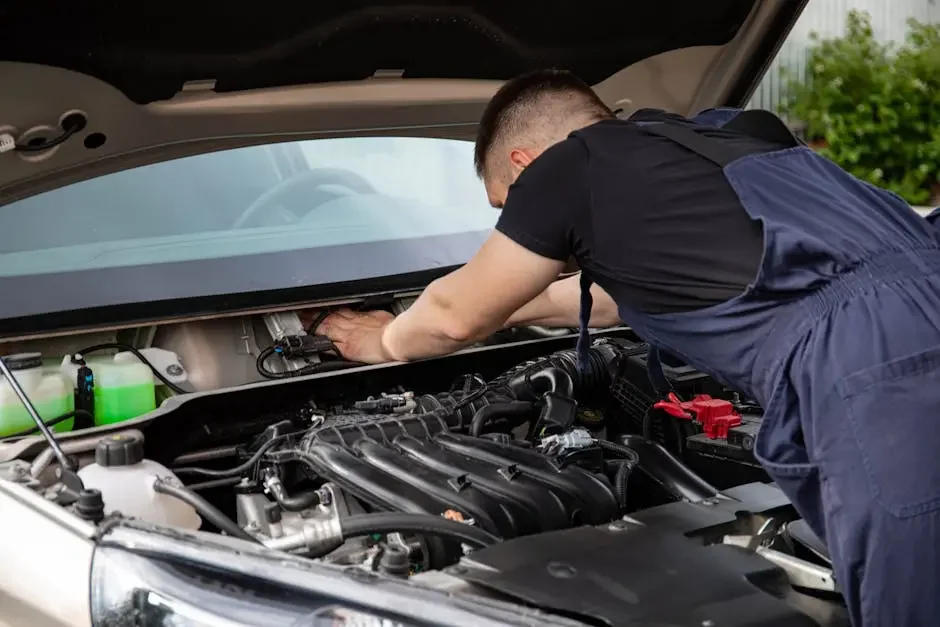
1. Understand the Basics of Pressure Testing
Get acquainted with the fundamental principles of pressure testing to lay a solid foundation for your skills. Pressure testing involves applying a prescribed amount of pressure to a system to uncover leaks or defects. It's essential to grasp the underlying physics to interpret results accurately.
Understanding the different types of pressure testing methods—such as hydrostatic and pneumatic—can also empower you. Hydrostatic testing uses liquid while pneumatic testing employs gas to create pressure. Each method has its applications and knowing when to use them is vital.
2. Choose the Right Equipment
Selecting appropriate tools and equipment is essential for conducting effective pressure tests. A dedicated pressure tester will provide optimal results, offering various pressure settings tailored for different engine types.
Don’t forget to consider additional accessories such as gauges, hoses, and adapters. Each of these components plays a crucial role in ensuring the testing process is smooth and efficient. A well-stocked toolkit will make your tests more manageable.
3. Calibrate Your Pressure Testing Tools
Ensuring your tools are calibrated correctly can significantly impact the accuracy of your results. A small discrepancy in calibration may lead to misleading readings, which can, in turn, affect the performance analysis of your engine.
To maintain accuracy, routinely check calibration against known standards. If tools are not calibrated, it's like baking without the right measurements; the end result may not be what you hoped for.
4. Maintain a Clean Testing Environment
A tidy workspace helps prevent contamination and ensures better performance during tests. Dust, debris, and oil can all interfere with the effectiveness of your pressure testing.
Make it a habit to clean your testing area before starting. An organized space allows you to focus on the task at hand while minimizing the risk of introducing errors due to environmental factors.
5. Follow Manufacturer Guidelines
Always refer to the manufacturer's specifications for precise pressure testing procedures. These guidelines are tailored to specific engines and components, offering valuable information on necessary pressure levels and test durations.
Deviation from recommended practices may not only yield inaccurate results but could also lead to costly repairs down the line. Therefore, it’s in your best interest to stick to those guidelines.
6. Check for Leaks Before Testing
Identifying leaks beforehand can help avoid false readings during your pressure tests. A good practice is to use soapy water along connections and fittings; if bubbles form, you’ve found a leak that needs addressing.
Don’t overlook this step! A thorough pre-test inspection can save time and show real benefits, preventing headaches that arise from incorrect readings due to unnoticed leaks.
7. Utilize Sealants Wisely
Use the correct sealants to ensure airtight connections and prevent any testing errors. Not all sealants are created equal; it's essential to choose the right type based on the materials you’re working with, whether metal or plastic.
Applying sealants correctly will provide extra assurance that your pressure testing results remain accurate. An ounce of prevention can save you a pound of cure later on!
8. Document Your Testing Process
Keeping detailed records of your tests helps track performance over time and aids future troubleshooting. Consider maintaining a logbook that covers test dates, conditions, pressures applied, and any anomalies observed.
This documentation can provide insights into trends and patterns that may not be apparent from individual tests. Plus, it equips you with valuable data should you need to consult a professional down the road.
9. Stay Patient and Calm
Pressure testing can be stressful; maintaining composure can lead to more accurate testing outcomes. Rushing through the process might cause oversights that could compromise the test results.
Take deep breaths, stay focused, and approach each test as an opportunity to refine your skills. Remember, mastery of pressure testing takes time and practice.
10. Share Your Findings with Peers
Engaging with fellow enthusiasts can provide new insights and improve your pressure testing skills. Consider joining forums or local meet-ups where you can discuss techniques and share experiences.
Collectively, the community can help troubleshoot common problems and expand your knowledge base, ensuring you stay updated on best practices and innovations in pressure testing.
11. Practice Makes Perfect
The more you practice, the better you’ll become at conducting effective pressure tests. Like any skill, repetition is key; don’t shy away from taking on different types of engines or systems.
Set aside time regularly to hone your skills, whether it's in a workshop or on a personal project. Your confidence will grow with each test you successfully complete!
12. Learn from Mistakes
View each testing mistake as a learning opportunity to enhance your future results. Analyze what went wrong, whether it was a miscalculation or a tool malfunction.
Embracing your errors rather than sidestepping them fosters a growth mindset and can accelerate your learning curve. You'll find that each setback is a stepping stone towards becoming an expert in pressure testing.
13. Stay Updated on New Techniques
Regularly educating yourself on advancements in pressure testing can keep your skills sharp. Subscribe to industry publications, participate in workshops, or watch online tutorials to learn about the latest tools and methodologies.
This proactive approach will not only bolster your expertise but can also spark inspiration for your future projects. Knowledge is a powerful tool in the ever-evolving world of engine maintenance!
14. Emphasize Safety at All Times
Prioritize safety procedures to protect yourself while pressure testing engines. Always wear protective gear, and be aware of your surroundings; a small oversight can lead to dangerous situations.
By adopting a safety-first approach, you minimize the risk of accidents and create a more efficient working environment. It's not just about getting the job done; it's about doing it safely.
15. Seek Professional Help When Needed
Don't hesitate to consult an expert if you encounter complex issues during your tests. Sometimes, the insights of experienced professionals can provide solutions that save time and resources, guiding you towards effective troubleshooting.
Remember, everyone starts as a beginner. Building a network of knowledgeable contacts can be invaluable as you navigate the challenges of pressure testing. It's part of the journey to mastering this essential skill.