
7 Essential Steps to Achieve Perfect Crankshaft Balancing in Your Engine
Crankshaft balancing is a crucial part of engine maintenance that ensures a smooth running engine and enhances performance. If you're looking to fine-tune your engine, mastering the art of crankshaft balancing is essential. Follow these steps to achieve perfection and keep your engine purring like a kitten.
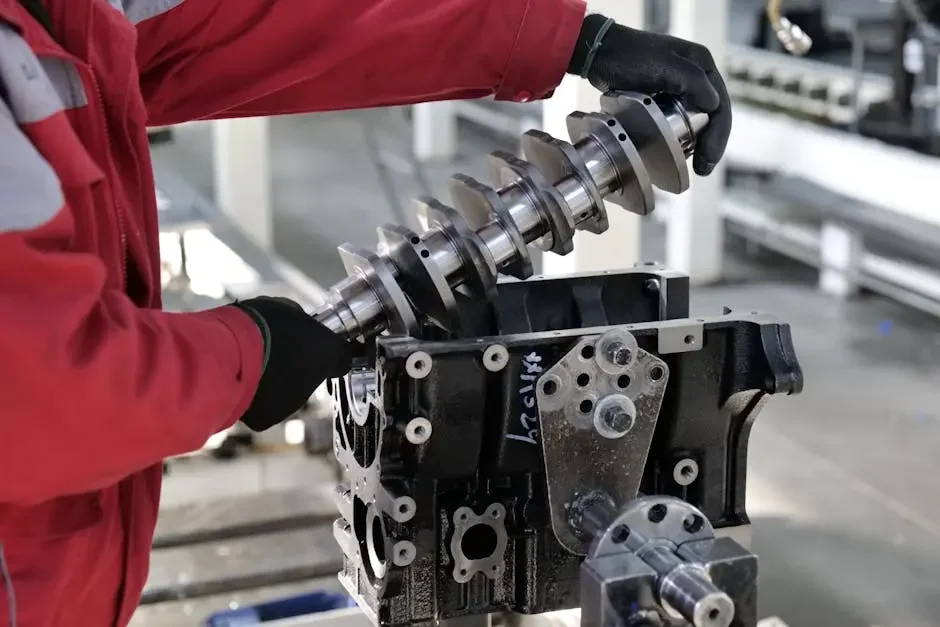
1. Understanding the Basics of Crankshaft Balancing
Before diving into the steps, it's essential to understand what crankshaft balancing is and why it matters. Crankshaft balancing refers to the process of equalizing the weight distribution along the crankshaft, ensuring that it rotates smoothly. An unbalanced crankshaft can lead to excessive vibrations, premature wear, and even catastrophic engine failure.
Imagine your engine as a finely-tuned orchestra: when all parts play in harmony, the result is a symphony of power and performance. However, just like a single off-key note can throw off a melody, an unbalanced crankshaft disrupts the engine's rhythm. This section will break down the fundamentals and the impact of a well-balanced crankshaft on engine performance.
2. Gathering the Right Tools and Materials
The right tools can make all the difference in achieving a well-balanced crankshaft. Before you start, you must ensure you have the proper instruments on hand. This part will list the essential tools you need, such as a crankshaft balancer, scales, and calipers. We’ll walk you through what each tool does and why it’s critical for your balancing journey.
In addition to tools, gathering the right materials is also key. Consider, for instance, the type of weights you will be using. Whether it's lead or a more modern material, your choice can influence the effectiveness of your balancing efforts. Are you ready? Let’s get set with everything you need to tackle the task efficiently.
3. Measuring Your Crankshaft: The First Step
Accurate measurements are key to successful balancing. If you skip this critical step, you'll be chasing your tail instead of finding a solution. Here, we'll guide you on how to measure your crankshaft effectively, ensuring you have the data necessary for the subsequent steps. Take your time with this process—the better the measurements, the better the outcome.
Make sure to measure the crankshaft's journals and throws accurately. Having precise measurements will help you identify where the imbalances occur. Use a digital caliper for the best accuracy, and jot down the numbers for reference. Remember, investing a little extra time into this step can save you loads of frustration later.
Lastly, don’t forget to check for any signs of wear or damage while you’re measuring. If there are irregularities, addressing these issues upfront will save you time down the line. With your measurements in hand, you're well on your way to achieving that perfect balance!
4. Identifying Imbalances in Your Crankshaft
Recognizing where the imbalances lie is crucial for effective balancing. In this section, we will discuss common signs of imbalance that you should be on the lookout for. For instance, if your engine vibrates excessively at certain RPMs, this is often a clear indicator that your crankshaft may not be balanced.
Another telltale sign is uneven wear on engine components. If you notice that some parts are wearing down faster than others, it could be due to an unbalanced crankshaft causing uneven stress. Identifying these signs early can save you from costly repairs and keep your engine running smoothly.
Keep in mind that listening to your engine can provide valuable insights as well. Unusual noises or vibrations might just be your crankshaft's way of communicating that it's in need of some attention. Pay heed to these clues; they can guide you towards understanding where the imbalances lie—knowledge is power!
5. Adjusting Weights for Better Balance
Once you've identified the imbalances, it's time to adjust the weights. This task is where the magic happens! In this section, we will explain how to add or redistribute weights to achieve optimal balance, turning your crankshaft from unbalanced to perfectly aligned. It’s important to approach this step carefully and methodically, as every gram counts.
The first thing to do is figure out how much weight you need to add or remove. Using your previous measurements, you can determine the discrepancies. If you have a balancer, it can show you how the weights need to be adjusted in real-time, providing instant feedback on your adjustments.
Additionally, always document your changes. Keeping a log of what you've done allows you to track improvements or setbacks. Remember, achieving the right balance is often a process of trial and error, so maintain patience and stay persistent. With each adjustment, you're one step closer to that perfect balance.
6. Testing Your Work: The Importance of Verification
After making adjustments, testing is essential to ensure everything runs smoothly. You wouldn't bake a cake without tasting the batter, right? In the same way, you need to verify the balance of your crankshaft after all the hard work. This section will cover various methods you can use to do just that.
One effective method is a trial run of your engine after re-balancing. Pay attention to vibrations and any odd noises during different RPM ranges; this can give you valuable insights. An engine with a well-balanced crankshaft should feel smooth, almost like a finely tuned machine. If it doesn’t, it’s back to the drawing board.
Additionally, tools like a crankshaft balancer can further aid in confirming your adjustments. These provide precise measurements and can save you a lot of guesswork. Testing your work is not just a formality; it's a crucial step for ensuring the longevity and performance of your engine.
7. Maintenance Tips for Long-Lasting Balance
Lastly, we'll cover some best practices and maintenance tips to keep your crankshaft balanced for the long term, ensuring your engine runs efficiently. Keeping up with regular checks can help maintain the balance your engine needs to thrive.
Consider periodic inspections as part of your engine maintenance routine. Changes in engine performance can signal potential imbalances. By addressing these issues early on, you'll prevent bigger problems down the line. It’s similar to routine check-ups at the doctor—by staying ahead, you mitigate the risk of more severe complications.
Additionally, always use quality parts and materials when working on your engine. Subpar components can introduce new imbalances and will only lead to headaches. Your engine deserves the best, and by taking good care of it, you ensure that perfect crankshaft balance—and the accompanying performance—lasts for years to come.